Our Blog

Mira Mar Vet, your local vet in Albany

Post-operative wound swelling: is it a worry?
by | Mar 22, 2026 | Latest Monthly Newsletters, Pet Care

Is your pet due to undergo surgery, such as desexing or lump removal?

Here are three common causes of post-operative wound issues, and how you can help prevent them to ensure a smooth and comfortable recovery for your pet!

Wound swelling/inflammation:
  • What it looks like: Wounds appear puffy or swollen with redness and/or bruising and may also be tender to touch.
  • What causes it: Significant soft tissue swelling is most common when a pet is too active in the 10-14 days after surgery but can also occur if a patient has an (uncommon) allergic reaction to their internal stitches.
Wound infection:
  • What it looks like: Wounds usually have areas of warm, red, painful swelling, and may also be leaking discharge (which can range from red and watery to more classic “pus”).
  • What causes it: With routine, planned surgeries, post-operative infection is uncommon unless the patient has either been licking at their wound, or the wound has become contaminated with dirt or faecal material.
Wound dehiscence:
  • What it looks like: Wound dehiscence is when part or all of a wound breaks open. This may cause the skin edges to gape open, or if underlying muscle layers of the abdomen have broken open, there may be hernia formation (a bulge of internal organs poking through).
  • What causes it: While good surgical technique can help to prevent dehiscence, any wound can break open if a pet is overly active or is licking excessively or chewing at their stitches before the wound is healed.

You can prevent most post-operative issues by:

  • Keeping your pet rested for the recommended period
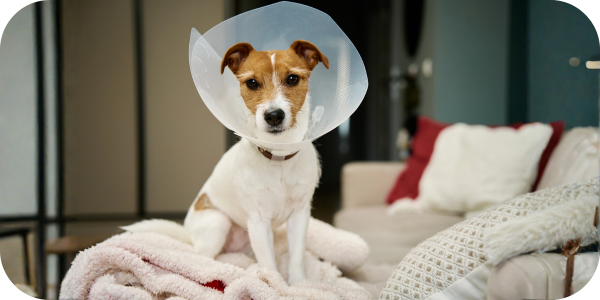
  • Keeping your pet’s bucket collar on
  • Ensuring your pet’s wound stays dry and clean
  • Administering any medications as per the labelled instructions

If you have any concerns about your pet after surgery, please don’t hesitate to reach out to our experienced team