by Mira Mar Vets | Jun 25, 2026 | Latest Monthly Newsletters, Pet Care
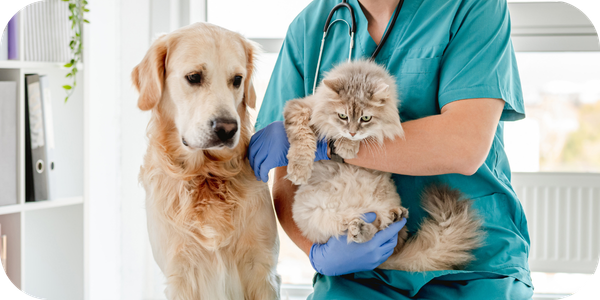
GP veterinary staff are often remarkably competent across a range of medical disciplines (routine health care, radiology, surgery, dentistry and laboratory test analysis – just to name a few!), and many go above and beyond to help the pets in their care....
by Mira Mar Vets | Jun 23, 2026 | Latest Monthly Newsletters, Pet Care
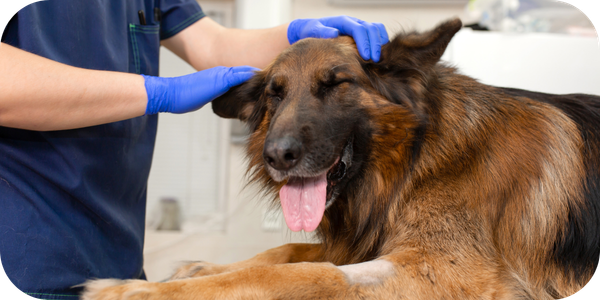
GDV (Gastric Dilatation-Volvulus), often called “bloat”, is an acute, life-threatening condition that large, deep-chested dogs can be particularly prone to. If you have a large or giant-breed dog, it’s best to be aware of the symptoms of GDV, and the measures you...

by Mira Mar Vets | Jun 21, 2026 | Latest Monthly Newsletters, Pet Care
Toast the Maltese mix was hanging out with his four-year-old human sibling (and best buddy) Sage while she ate morning tea. When the front doorbell rang, Sage’s father, Dan, left the two companions in the living room for a minute while he went to answer the door. When...
by Mira Mar Vets | May 29, 2026 | Latest Monthly Newsletters, Pet Care
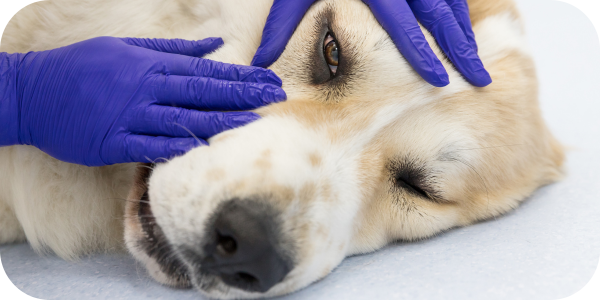
It’s always good “eye-dea” to keep an eye on your pet’s eyes for any unusual changes, but it’s especially important in senior pets! Mature pets often develop a few benign (harmless) eye changes, but they are also at a higher risk of some problematic...

by Mira Mar Vets | May 28, 2026 | Latest Monthly Newsletters, Pet Care
“My pet has a sensitive tummy. Can they still take pain relief for their arthritis?” Traditionally, NSAIDs (non-steroidal anti-inflammatory drugs) such as carprofen, meloxicam or firocoxib have been used to help manage the pain and inflammation associated with...