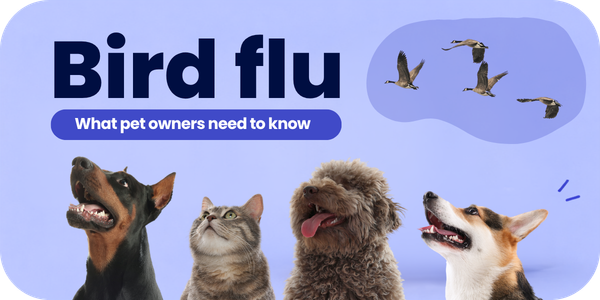
With H5 bird flu detected in wildlife across several Australian states, you might be wondering what it could mean for your pets. The risk to cats and dogs remains low, but taking a few simple precautions can help protect pets and local wildlife.
What is bird flu?
Avian influenza, commonly known as bird flu, is a viral disease that mainly affects birds. The H5 strain can cause serious illness and death in wild birds and poultry. Some mammals can also become infected.
Although infections in companion animals are uncommon, close contact with infected wildlife can increase the risk. This includes a pet eating an infected bird.
How can I protect my pets?
Keep dogs on a lead around beaches, wetlands and other areas where wildlife gathers. Prevent them from approaching, carrying or eating sick or dead animals. Cats should be kept indoors or in a secure outdoor enclosure to reduce contact with birds and other wildlife.
Keep pet food and water where wild birds cannot access them.
Pet birds and backyard poultry should be protected from wild birds, bird droppings and potentially contaminated water. Keep their feed and water covered, clean enclosures regularly, and wash your hands before and after handling birds.
What should I do if I find a sick or dead bird?
Remember: Avoid. Record. Report.
Do not touch or move the bird, and keep children and pets away. Note the date, time and location, and take a photo or video from a safe distance if possible.
Report it to the 24-hour Emergency Animal Disease Hotline on 1800 675 888 and follow the instructions provided.
If your pet has touched or eaten a dead bird, monitor them closely. Contact your vet if you are concerned or if your pet becomes unwell, particularly if you notice unusual behaviour, reduced eating or drinking, or breathing difficulties.
If a pet bird or backyard chicken becomes unwell or dies unexpectedly, isolate it from other birds and call your vet and the Emergency Animal Disease Hotline (1800 675 888) before moving the bird.